Our Oakleaf Hydrangea Is Having Babies!

Oakleaf Hydrangea

We love our oakleaf hydrangea. At our last home, we had them everywhere. They are indestructible, beautiful, interesting in every season, and did I mention indestructible?

Our current plant was a baby propagated from the mama plant (more on that later) and transported from our old home to our new in an old 2.5-gallon plastic nursery pot. It suffered sun, heat, lack of water, and other multiple abuses before finally getting it tucked into the ground.

And it has taken off in the last three years, quintupling in size. It blooms prolifically. I’ve never seen any insect damage or disease and it stoically shrugged off last winter’s bitter winter temps (which wreaked havoc on the boxwoods and a few of our other shrubs.) This baby is a keeper.

We want more. You can propagate it from cuttings, but we like taking the lowest branches and burying a segment a few inches under the ground, forming a ring around the main plant of potential new offspring. In a few months, after they’ve rooted, you just dig them up , separate the from the parent and, voilà, new hydrangeas.

photoWe used this technique at our old homestead to spread them throughout the landscape as well as among our friends and family.

They do like good drainage and slightly alkaline soil (the blooms are always white despite pH.) And they can get quite big (I’ve seen some eight or nine feet tall) so make sure you plan for that when planting.
We plan on propagating and nestling several more of these around our Northern Kentucky/Ohio River Valley home.

Do you have a shrub that you love? Share a picture of it with us below!
Posted in Flower Gardening, Gardening, Uncategorized | Tagged , , , , , , , , , , , , , , , , | Leave a comment

Roses + Compost = Wow!

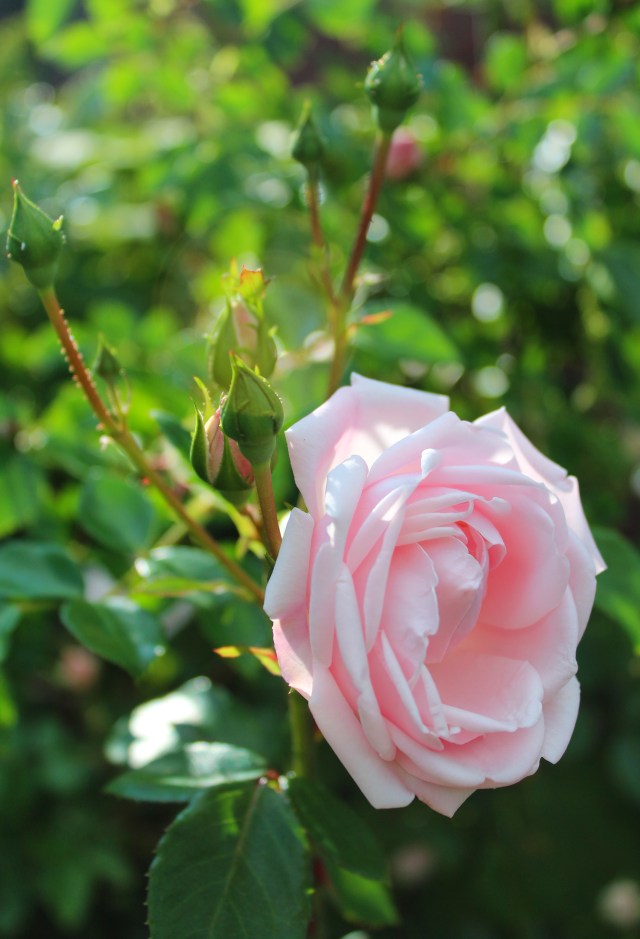
Rose with brick

Last fall we found the time to add quite a bit of compost to the the flower bed where our New Dawn climbing rose lives (as well as an Oak Leaf Hydrangea and our Peony.) The results have been spectacular: Glossy green leaves and a constellation of pale pink blooms.

We top-dressed with even more compost early this spring and applied a little compost tea. While I’m sure some of the amazing growth has been due to location, weather,  and fish fertilizer, we believe most of the magic is due to the compost. At least confident enough to keep up the treatment and give all the other flowers an equal allotment.

The downside of all this beauty and growth? The bed is getting a bit crowded–some rearranging will probably be in the near future.

Compost Tea Recipe
Football-sized scoop of compost in an old pillowcase.
5-gallon bucket of water (rainwater, if you have it.)
Put the pillowcase full of compost in the water. Steep for 24 hours stirring vigorously occasionally to oxygenate. You can pour the tea back and forth into another bucket to add O2 as well. (The organisms in the tea can use up all the oxygen and it will get stinky in addition to not being good for your plants.)
Pour into a pump-sprayer and spray away. Easy-Peasy.

I know some folks who add other ingredients like molasses and seaweed, and use an aquarium bubbler to oxygenate but we keep it simple and it works well for us.

Do you have a special recipe for compost tea? Or any other handy uses for compost ? We’d love to hear your compost stories!

Posted in Uncategorized | Tagged , , , , , , , , , , , | Leave a comment

Ode to Homegrown Tomatoes & Tips for Growing Same

Only two things that money can’t buy and that’s True Love and Homegrown Tomatoes. ~Guy Clark.

We’re trying a few different varieties of tomato this year including Black Krim and Cherokee Purple. Bringing back many old faves, as well, including Mr. Stripey, Jet Star, and of course, Brandywine. That particular potato-leafed heirloom is, perhaps, the most delicious tomato ever.

Already dreaming of BLT’s, fresh salsa and Caprese salads.

A few tips for growing tomatoes:

  1. Rotate your tomato plot every year, if possible, especially when growing heirloom varieties that may not have the disease resistance of hybrids. Pathogens can build up in your soil and take a heavy toll. Bacterial Spot and Early Blight make for a cruel summer.
  2. Prepare the bed with lots of compost–Happy dirt makes for happy tomatoes.
  3. A sheet of black plastic stretched out over the plot a couple of weeks before planting can warm the soil nicely and perhaps even kill a few potential pathogens in the dirt. Sometimes we leave the plastic in place, cut an “X” into it where the plants will go, and stick the plants down through the sheet and into the prepared bed. This keeps the soil toasty and keeps the weeds down. A little pine straw or similar layer of mulch on top of the plastic will keep the spray from bouncing up on the leaves when you water which aids in disease prevention.
  4. Bury the stems. Tomatoes will root anywhere along the stem, and more root equals a more vigorous plant. If you have room and the plant is flexible enough, try burying the stem horizontally. The soil is colder the deeper you go, and tomatoes are heat-lovers. If those roots can feel a little sunshine seeping through the dirt, they’ll be a cheerful lot.
  5. Prune those suckers. I’ve waffled in the “Prune/No-prune debate”, but I think I’m now firmly in the pruner camp. We plant our tomatoes fairly close to one another and pruning helps keep the plants open for better air circulation, which cuts down on the chance of disease. To prune, simply pinch off the sucker that starts to form in the axis of branches and the main stem.
  6. Apply mulch and nice, even watering. Inconsistent watering leads to cracking and blossom-end rot; no one wants rot on one’s blossom-end. A big drink once a week beats lots of little ones. Oh, and water the soil, not the leaves–this will help cut down on disease, as well.
  7. Plenty of sun and fertilizer. Tomatoes like lots of each. We use fish fertilizer–tres stinky, but gets the job done. Note: If you have raccoons in your neighborhood, though, fish fertilizer might be like ringin’ the dinner bell.
  8. Stake or cage them from the get-go. It might seem silly to stick a 6-foot stake next to an 8-inch plant but getting the stake (or cage) in at the beginning will make sure you don’t disrupt the roots as the plant starts to grow. I’ve procrastinated staking before, only to wrestle a rampant plant back under control, upsetting both me and the plant.
Posted in Uncategorized | Tagged , , , , , , , , , , , , , , , , , , | Leave a comment

New Dawn Rose, You Sexy Beast

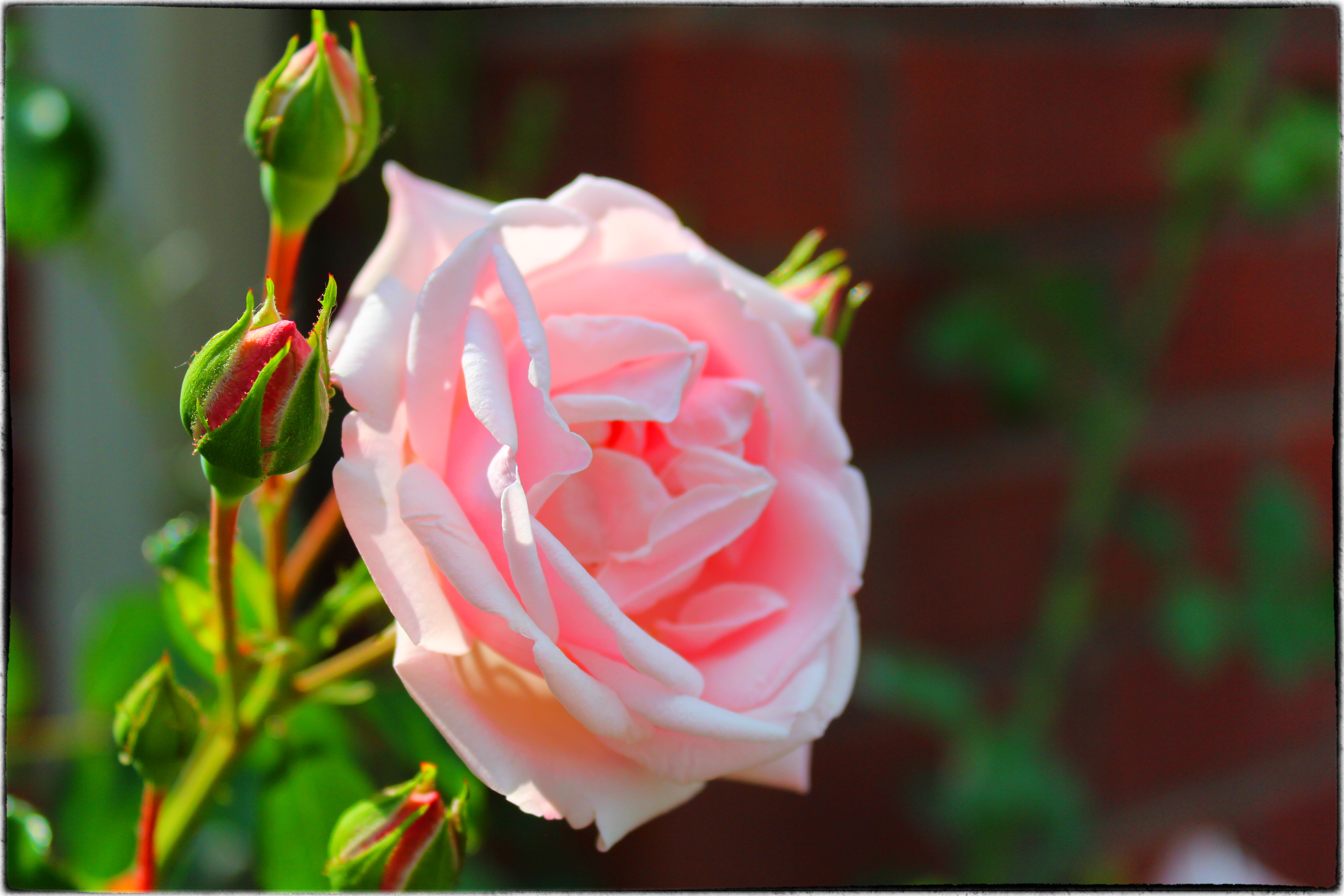
New Dawn Rose

We planted a New Dawn climbing rose a couple of years ago on the southeast corner of the house and this year it is rewarding us with a spectacular display. I wish I had planned a bit better and installed something larger for this beauty to climb on before it grew to its present size. A nice piece of wrought iron trellis against the brick of the house would have been a nice touch.

But now I think we’ll just anchor it directly to the brick and coax it up the wall. The hard part will be pruning it into shape when every single thorny stem is covered with pink blossoms. I’m loathe to let even one of those blooms go to waste–We’ll brighten up the house by filling every available bud vase and empty bottle.

I’ll have to find my toughest pair of gloves for the project. I just glance in the general direction of this rose and find a thorn sticking in my finger. The curse of the rose gardener. But all that beauty is worth a little pain.

Posted in Flower Gardening, Uncategorized | Tagged , , , , , , , , | Leave a comment

Yeah, Radishes!

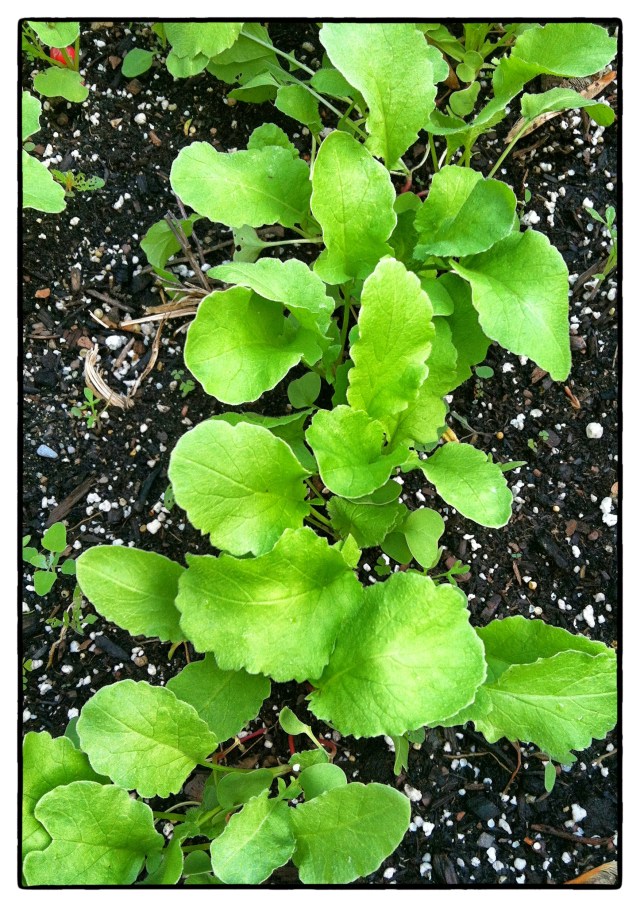
Aw, Radishes!Spring means radishes. Crunchy and peppery.  And quick! From seed to harvest in a little over three weeks for some varieties. About as close to instant gratification as one gets from gardening!
Something the French love and I do, too, is radish slices on buttered brown bread sprinkled with sea salt.  Use good butter. And good salt. It’s impossible to duplicate properly with store-bought radishes, so this treat is only available a couple of times a year, spring and fall. Summers in my part of Kentucky get a little too hot for a radishes after june but sometimes a second batch can be harvested in the fall if the weather cooperates.

The leaves are quite good, too. Sauté with a little garlic and olive oil. If they’re young enough and devoid of the sharp needles some varieties have, throw ’em right in a salad.

So go ahead, relish a radish.

Posted in Uncategorized | Tagged , , , , , , , , | 2 Comments

Peony, Heritage Edition

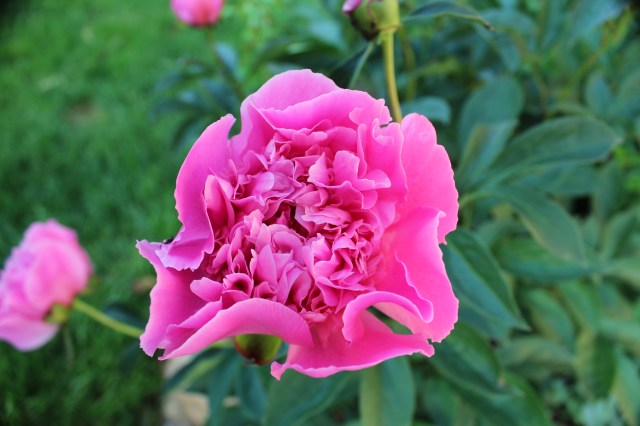
Peony

We were a bit worried about our peony making an appearance this year. An exceptionally cold winter with hard freezes and a surprise snowfall in late spring did not seem to bode well. But this may be the showiest this beauty has been since we moved it to its current location.

This particular peony is grown from an original plant that was a wedding gift from my wife’s grandfather to grandmother over 70 years ago.

I love plants that have a bit of history to them and stories like that make me eager to share starts and seeds from our plants with friends, family and neighbors. Seeds from a French heirloom melon we grew a few years ago have made their way all over the U.S.

Peonies are long-lived but sometimes take a while to spring back after a move, and this one has been moved a couple of times. It seems to like this Southwest corner of the house, though, so I think it will be here a while, although the New Dawn climbing rose it neighbors also relishes this corner of the house so eventually there might be a border dispute between the two. Guess we’ll cross that bridge when we come to it.

The peony is already overshadowing the yellow dwarf irises it shares a bed with, so the those will have to be moved to the front of another bed. Sounds like an excuse to bring in even more irises–We can’t get enough of those charmers.

We’ve brought a few of the blooms from the peony inside and the sweet scent fills the entire kitchen. You just have to be careful to shake all the ants off first. They like the sweet scent as much as we do.

Posted in Uncategorized | Tagged , , , , , , , , , , , , , | 2 Comments

Tomato Hornworm (Parasitized edition)

Tomato Horn Worm

Some days you know just aren’t gonna go your way…if you’re a tomato hornworm, and you wake up one morning all bedazzled with little white decorations, chances are, the day will not end well. These little adornments will hatch and eat you.

As a gardener and tomato-lover, I love seeing these little beauties. Nature can be cruel…but that hornworm was gonna wreak havoc on my tender tomatoes.

The little rice-like attachments will hatch into a tiny parasitic wasp that feeds on the ol’ THW. They lay they’re eggs under the skin of the hornworm which hatch into larvae that love the taste of hornworm. After a hearty meal, they emerge to spin cocoons (the tiny rice-like things) and pupate into, BAM, even more braconid wasps .

If you see one like this in your garden, gently move it into a mason jar with a few tomato leaves, cover with a bit of screen and, voilà, you have an effective biological control against one of the varmints of the garden. The tiny wasps (they don’t hurt people at all) will escape through the screen and go to parasitize even more pesky THWs. Huzzah!


Posted in Gardening, Uncategorized | Tagged , , , , , , , , , , , , , , , , , , , | 2 Comments

Cherry Blossoms

Cherry Blossoms

For a few days every spring, our house is at the center of a Venn Diagram of daffodils, hyacinths, crocus, a few early tulips, and our beautiful little weeping cherry–floral fireworks exploding in our yard. The cherry blossoms are especially spectacular, although the shortest-lived.

Early spring winds quickly tease the petals from the branches until the yard around the tree looks snow-covered. I wish I knew some way to keep the blossoms on the tree just a bit longer but perhaps we find them so beautiful because they are so ephemeral.

Posted in Uncategorized | Tagged , , , , , , , , , , | Leave a comment

Bicycle Joy

Bicycle Joy

We tugged our bicycles out of the garage, pumped up the tires, greased the chains and took ’em for a spin on a lovely spring day not long ago.

The sun was shining down from a sky as blue as a painting. My daughter was laughing and yelling, going as fast as she could, pumping her legs furiously. And the hills were challenging my winter-weakened leg muscles and giving me an inkling that walking would be difficult the next morning.

But it was nice to shake off the rust and fill the ol’ lungs full of that good spring air. There are days during this time of year when the combination of sun and breeze and beauty can inspire a joy that just can’t be contained. So we channel it into our pedals. I love spring.

I’m not sure I could ever live in a location that didn’t run the full gamut of seasons. Sometimes the cold, snow and ice of winter is a drag, but with it comes fireplaces, hot chocolate, and sledding. I don’t want to miss out on any of that stuff. And when March finally does give in and begin yielding those first mild days, the joy just spills out of you. I reckon the feeling wouldn’t be as great if you hadn’t dragged your galoshes through three or four months of winter first.

So, welcome spring! We’re glad to see you! And we’ll do our best to appreciate every day of you, even if you rain on us a little, or give us a bit of the cold shoulder. As long as you keep inspiring us with a few of those golden-green days that are unlike any other of the year.

Posted in Uncategorized | Tagged , , , , , , , , | Leave a comment

Heralds of Spring

Heralds of Spring

Crocus, hyacinth, and jonquil are springing up all around us, letting us know, with what we hope is certainty, that the long winter has receded. The daylight hours are beginning to stretch, giving us a few more minutes outside in the evenings–Extra time to explore new buds emerging, inventory winter damage, and plan new garden plots.

My daughter wants to immediately pick the jonquils and bring them inside, and I can hardly blame her–Their sunshiney yellow is spring incarnate. But I can’t bring myself to cut those first few flowers…they’ve worked too hard, been through too much winter, to simply snip them off at the knees. As more and more emerge, however, we’ll be unable to resist bringing at least a few inside to keep company.

I’m taken with calling those bright yellow flowers, jonquils. Some say daffodil and some say narcissus, but I like jonquil. I’m not sure if its a southern thing or an Appalachian thing, but it’s what my grandmother called them. And they remind me of her and all she taught me.

So here we are, with those deposits of bulbs made into the late autumn soil, finally bearing the dividends of spring. Quite a bounty! Definitely falls under the category of “Totally Worth It.”

Posted in Uncategorized | Tagged , , , , , , , , , , , | Leave a comment